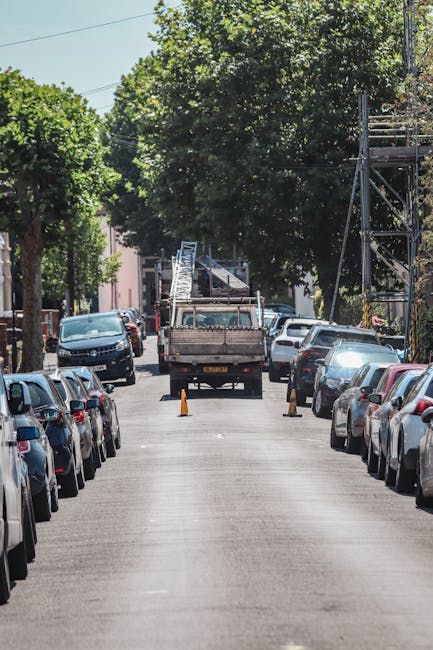
Harringay Ladder House Removals Narrow Street Access Guide
Moving home in the Harringay Ladder can be a bit of a tightrope walk, and not just because you are carrying a sofa down a staircase. The streets here are lovely, characterful, and full of period homes, but they can also be narrow, parked-up, and awkward for larger vehicles. That is exactly why this Harringay Ladder house removals narrow street access guide matters: it helps you plan the move before the van turns up and everyone starts guessing where the loading bay is, or whether the corner can be swung safely.
If you are preparing a house move, a flat move, or even a larger furniture relocation, the real challenge is not simply lifting and loading. It is access. A good plan can save time, reduce stress, and avoid the very unglamorous but very real problems of blocked streets, missed parking, damaged items, and tired neighbours peering out from behind the curtains at 8am.
Below, you will find a practical, local-first guide covering how narrow street access affects removals in the Ladder, what to check before moving day, which services fit different situations, and how to keep the process calm and efficient. Truth be told, a little planning goes a long way here.
Table of Contents
- Why narrow street access matters in the Harringay Ladder
- How removals work on tight residential streets
- Key benefits and practical advantages
- Who this guide is for
- Step-by-step guidance for a smooth move
- Expert tips for better results
- Common mistakes to avoid
- Tools, resources and recommendations
- Law, compliance and best practice
- Options and comparison table
- Real-world example
- Practical checklist
- Conclusion
- Frequently asked questions
Why Harringay Ladder house removals narrow street access guide Matters
The Harringay Ladder is known for its terraced streets, practical family homes, and a layout that feels distinctly urban without being chaotic all the time. But for removals, those same qualities can become obstacles. Narrow roads leave less room for parking, turning, and waiting. When a removal van arrives on a street with cars lined on both sides, even a simple move can become a carefully choreographed exercise.
Why does this matter so much? Because removal day is usually time-sensitive. You may have a key handover, a cleaner waiting, or a tight slot for lift access if you are moving from a flat nearby. If the van cannot park close enough, every extra metre means more carrying, more labour, and more risk. A staircase with a corner halfway down is one thing. A staircase plus a long carry from the next street is another matter entirely.
There is also the human side. Narrow access affects neighbours, pedestrians, cyclists, and the team doing the lifting. If everyone feels rushed, mistakes happen. A box gets dropped. A wall scuffed. A driver has to reverse awkwardly while someone waves from the pavement. Not ideal. The better approach is to anticipate those constraints and build the move around them.
If you are still exploring your options, it can help to look at the broader picture of local moving support through the site's removal services overview and the specific guidance on house removals in Harringay. Those pages are useful when you are comparing what level of help you actually need.
How Harringay Ladder house removals narrow street access guide Works
In plain English, a narrow-street move works best when the removal team treats access as a core part of the job, not a last-minute detail. The process usually starts before moving day, with a conversation about the street, the property type, the size of the van, and the amount of loading space available outside the address.
In practice, the team is trying to answer a few questions:
- Can the van park directly outside the property?
- Is the road wide enough for a larger vehicle to enter and leave safely?
- Will parked cars force the team to use a smaller vehicle or make two trips?
- Is there a loading restriction, permit issue, or time window to think about?
- Will the move involve stairs, tight hallways, or awkward corners inside the property?
Once these are clear, the job can be matched to the right vehicle and method. For example, a compact move with limited furniture might suit a man and van in Harringay. A fuller family move, or one with large items, may be better served by a dedicated removal van or a more complete Harringay removals service. If access is tight but the load is modest, flexibility matters a lot more than size, to be fair.
Some people assume a bigger van is always better. Not always. On a narrow Ladder street, a vehicle that is too large can create more problems than it solves. The ideal setup balances capacity with manoeuvrability, especially if cars are parked bumper to bumper and there is barely room to breathe.
Key Benefits and Practical Advantages
A well-planned narrow access move does more than make the day easier. It changes the whole feel of the move. Suddenly you are not improvising every five minutes. You are simply following a plan.
Here are the main benefits:
- Less walking distance between property and van, which cuts time and effort.
- Lower risk of damage to furniture, walls, doors, and banisters.
- Better time control when parking space is scarce or traffic is awkward.
- Reduced stress for everyone involved, including neighbours.
- Smarter vehicle choice based on access rather than guesswork.
- More accurate quoting because the real conditions are known in advance.
There is also a financial angle. Narrow access can affect labour time, vehicle planning, and the possible need for additional carrying. If you want to understand how service choices may influence price, the company's pricing and quotes page is worth reviewing alongside the published our prices information. No one likes surprise costs on moving day. Nobody. Not even the most organised person in the street.
For fragile, bulky, or oddly shaped pieces, specialist handling can also be a real advantage. If your home includes statement pieces, dining furniture, or delicate heirlooms, take a look at furniture removals in Harringay. That sort of support can be the difference between a smooth move and a panicked, sideways shuffle through a hallway that suddenly feels six inches too narrow.
Who This Is For and When It Makes Sense
This guide is for anyone moving within, into, or out of the Harringay Ladder where access is not straightforward. That includes terrace house moves, flat moves, student lets, and situations where the road outside your property is shared with limited parking.
It makes particular sense if you are:
- Moving from a Victorian or Edwardian terrace on a narrow residential street
- Relocating from an upper-floor flat with limited stair space
- Worried about parking, loading, or manoeuvring a van
- Handling a move with lots of furniture, boxes, or fragile items
- Trying to move quickly with minimal disruption to neighbours
- Comparing self-managed moves with professional removal support
It is also useful if you are moving on a tighter schedule, such as around the end of a tenancy or a school-term change. Students and sharers often underestimate access issues because the load seems small. Then the sofa turns up. Then the desk. Then the printer. And the hallway, which looked perfectly manageable, starts to feel like a puzzle.
If your move is smaller and you only need help with a few larger items, the local man with a van service in Harringay can be a practical middle ground. If you are moving from a flat, especially in a tighter building, flat removals in Harringay may be the better fit. And for students doing a smaller-scale move, student removals can keep things simple without overcomplicating the day.
Step-by-Step Guidance
Here is the practical bit. If you follow these steps, you will have a much better chance of a calm move, even on a tight Harringay street.
1. Assess the street before you book
Take a look at the road outside your home at roughly the time you expect the van to arrive. Are cars usually parked along both sides? Is there space for a larger vehicle to wait, or does the road narrow at a bend? A quick walk outside with a notepad sounds basic, but it is surprisingly useful.
2. Measure the awkward parts inside and out
Doorways, stair turns, landing widths, and front steps matter. So does the kerb space. You do not need an architect's survey, just honest measurements of the tight bits. One surprisingly narrow hall can change which items are moved first.
3. Be realistic about vehicle size
The right van depends on the street, not just the size of your home. A smaller vehicle may be the smarter choice if access is very restricted. If you have a lot to move, a larger load capacity can still work, but only if there is safe space to operate.
4. Prepare parking and loading arrangements
If your road allows parking or loading only in specific spots, plan for that early. Where possible, reserve space informally with neighbours, and always keep the plan realistic. A perfectly parked car is helpful; a row of blocked bins and a hopeful shrug is not.
5. Pack with access in mind
Stack the things you will need first near the exit. Label boxes clearly. Keep small loose items together. On narrow streets, the less time a team spends hunting for the kettle in a pile of unmarked boxes, the better.
6. Protect the property route
Use covers or blankets for bannisters, corners, and entrance points if the property is especially tight. This is especially useful in older homes where the paintwork has already had a full life. A little protection goes a long way.
7. Build in a time buffer
Even the neatest plan can be delayed by traffic, parking, or a temporary obstruction. A buffer of just 20 to 30 minutes can make the whole day feel less frantic. It is one of those small decisions that seems unnecessary until it very much is.
8. Confirm the final plan the day before
Check arrival time, contact details, and any last-minute changes to access. If a neighbour is expecting work on the street, or if a contractor has placed something awkward nearby, it is better to know before the van turns up.
Expert Tips for Better Results
There are plenty of little things that make narrow street removals far easier. These are the things that tend to separate a decent move from a quietly brilliant one.
- Prioritise the largest items first. If a sofa, wardrobe, or bed frame is leaving, plan the route for it before anything else.
- Use one room as a staging point. A cleared front room or hallway can reduce bottlenecks.
- Avoid last-minute box filling. The "I'll just throw it in" box is almost always a bad box.
- Think about weather. Rain makes narrow access more awkward, especially on slippery steps and crowded pavements.
- Separate essentials. Keep documents, keys, chargers, medication, and snacks with you.
- Ask about flexibility. If the street is especially tight, a service such as local removal services can adapt the plan more easily than a generic one-size-fits-all approach.
One small but important tip: if your move includes specialist items like a piano, do not assume narrow access will simply "work itself out." It rarely does. Look at piano removals in Harringay if you need controlled handling for something heavy, valuable, or difficult to angle through a tight passage. Pianos and narrow streets are not natural friends. They never were.
Another sensible option, especially if your moving date and access conditions are a bit unpredictable, is storage. Temporary storage can take pressure off the day if the new property is not quite ready or if access is split over two stages. You can read more about storage in Harringay if that feels relevant.
Common Mistakes to Avoid
Most moving problems on narrow Harringay streets are preventable. The trouble is, they look minor right up until they become annoying.
- Booking the wrong size vehicle. Too large and it cannot access the street; too small and you create extra trips.
- Assuming parking will be available. On busy residential roads, that is a risky bet.
- Underestimating stair and hallway friction. A table that turns easily in the lounge may be impossible on the landing.
- Leaving packing too late. Tight access and slow packing is a rough combination.
- Not warning neighbours. A bit of notice can prevent complaints and reduce friction on the day.
- Ignoring item priority. If the van is waiting and you are still searching for the coat rack, the day starts to wobble.
There is also a more subtle mistake: choosing a service based only on price. Fair enough, budget matters. But in narrow streets, the cheapest option can end up being the most expensive if it is not set up for the job. If you are comparing routes, scope, and value, look at the local removal companies in Harringay and think in terms of fit, not just headline cost.
Tools, Resources and Recommendations
You do not need fancy equipment to manage a narrow-street move, but a few practical tools make a real difference.
| Tool or resource | Why it helps | Best for |
|---|---|---|
| Measuring tape | Checks doorways, hallways, stairs, and furniture dimensions | Any move with large items |
| Furniture blankets | Reduces scratches and knocks on tight corners | Older homes and heavy items |
| Strong labels and marker pen | Speeds up unloading and room placement | Family moves and flat moves |
| Bin bags for soft items | Helps bundle soft belongings without bulky boxes | Clothes, bedding, cushions |
| Mobile phone charged in advance | Keeps communication smooth if access changes on the day | Every move, honestly |
For packing support, the page on packing and boxes in Harringay is a practical companion read. And if you are moving a home full of varied furniture, the dedicated house removals page may help you understand how the service is usually structured.
It can also be helpful to know the company background and how they work. A quick look at about us gives you a better sense of their approach, while insurance and safety explains how risk is managed during handling and transport. Those are the pages people often skip, then wish they had not. Just saying.
Law, Compliance, Standards, or Best Practice
For most household moves, the main compliance concerns are practical rather than dramatic. You are usually dealing with parking etiquette, road access, safe lifting, property protection, and clear communication. In some cases, local parking rules or temporary loading restrictions may affect where a removal van can stop, so it is wise to factor that into your planning rather than treating it as an afterthought.
Best practice in a narrow street move usually includes:
- Checking whether the vehicle can stop safely and legally near the property
- Making sure the load path is clear of trip hazards
- Using safe lifting methods for heavy or awkward items
- Protecting floors, bannisters, and door frames where appropriate
- Keeping residents and neighbours informed if access will be temporarily disrupted
If you are hiring professionals, it is sensible to ask how they handle safety, insurance, and complaint resolution. The pages on health and safety policy and complaints procedure are useful trust signals because they show how the business handles the parts of a move that nobody wants to think about until they need to.
There are also straightforward customer-facing points worth checking, such as payment and security, plus the relevant terms and conditions. Not the most exciting reading, admittedly, but it is better than finding out too late how a booking is handled if your access arrangements change.
Options, Methods, or Comparison Table
Different moves need different levels of support. Narrow street access makes that decision more important, not less.
| Option | Best for | Pros | Watch-outs |
|---|---|---|---|
| Man and van | Small loads, a few large items, short-distance moves | Flexible, usually easier to fit on narrow streets | May need multiple trips for larger homes |
| Dedicated removal van | Moderate to large household moves | Better capacity and organised loading | Vehicle size must suit the street |
| Full house removals | Family moves and full-property relocations | Most comprehensive support, less stress | Requires clear access planning and timing |
| Short-term storage plus move | Delayed completion dates or split access | Extra flexibility, less day-of pressure | Needs additional planning and coordination |
For many Ladder homes, the best answer is a hybrid approach. A smaller vehicle for access, plus more organised loading and maybe a second phase if needed. That is often better than forcing one huge van down a street where it has no business being in the first place.
If your move is happening quickly, you may also want to consider whether same day removals in Harringay are suitable. They are not for every situation, but when they are, they can be very handy.
Case Study or Real-World Example
Imagine a couple moving out of a top-floor terrace in the Harringay Ladder on a Friday morning. The property itself is straightforward enough, but the street is tight. Cars are parked on both sides, and there is only room for one vehicle to pass at a time. The sofa is large, the bed frame awkward, and the dining table has to be angled carefully through a narrow hallway.
Instead of sending a large van and hoping for the best, the move is planned around the street. A smaller vehicle is selected. The larger items are loaded first. Boxes are grouped by room. The couple clear the hallway the night before, and the team arrives with a realistic plan rather than optimism and crossed fingers.
What happened next? Nothing dramatic. Which is the point. The van stopped close enough to the door, items were moved safely, and the move finished without blocking the street for long. No one had to keep apologising to neighbours. No one had to carry a wardrobe half a block while muttering under their breath. A pretty normal, successful move. Lovely, really.
For people moving near the commercial edges of the area, especially around busier routes, the article on Green Lanes furniture removals in Harringay is also a useful companion because traffic and access patterns can feel a bit different there. And if you are simply getting to know the area while planning your move, living in Harringay: a local's review adds helpful local context.
Practical Checklist
Use this before moving day. It is simple, but it works.
- Confirm the moving date, arrival time, and contact number
- Check street width and parking conditions at the likely arrival time
- Measure the largest furniture pieces and the tightest access points
- Reserve or clear loading space where possible
- Pack boxes clearly and keep essentials separate
- Protect floors, walls, and bannisters if needed
- Tell neighbours if the street may be temporarily busier than usual
- Decide whether you need a man and van, full removals, or storage
- Review pricing, payment, and terms before confirming
- Keep keys, documents, chargers, and medicines easy to reach
Quick takeaway: in the Harringay Ladder, the winning move is usually the one that respects the street, not the one that tries to overpower it.
Conclusion
Narrow street access does not have to make your move difficult. It just means you need to plan with the reality of the Harringay Ladder in mind. The streets are part of the charm here, but they ask for a little more thought on removal day than a wide suburban road might. That is all.
Once you understand the access, choose the right vehicle, pack sensibly, and allow for the practical details that make a difference, the whole experience becomes much more manageable. Whether you are moving a family home, a flat, a few pieces of furniture, or a student room's worth of belongings, the same rule applies: good access planning saves time, money, and stress.
If you are still deciding what kind of support fits your move, take a look at the local service pages, review the pricing information, and think carefully about your street layout before booking. A bit of attention now makes the day feel lighter later. And honestly, that matters.
Get a free quote today and see how much you can save.
Frequently Asked Questions
What is the main challenge with house removals in the Harringay Ladder?
The main challenge is access. Many streets are narrow, parking is limited, and a larger removal van may not fit easily outside the property. That affects loading time, safety, and the overall flow of the move.
Do I need a small van for a narrow street move?
Not always, but a smaller vehicle often works better when road space is tight. The right choice depends on the amount of furniture, the parking situation, and whether the van can stop safely close to your home.
How far in advance should I plan a move on a narrow street?
As early as possible. Even a few days of planning helps, but giving yourself time to measure access, confirm parking, and choose the right service usually makes the move much easier.
What if my street is too tight for a large removal van?
That is usually handled by choosing a more suitable vehicle, using a man and van service, or arranging staged loading. Sometimes it is more efficient to use a smaller vehicle with careful planning than to force a large one into an awkward space.
Is a man and van service enough for a Harringay Ladder move?
For smaller moves, yes, it can be ideal. If you only have a few pieces of furniture or a modest number of boxes, a flexible man and van setup may be the smartest option. For a full house, you may need something more comprehensive.
How do I stop damage in a tight hallway or staircase?
Measure the route, remove trip hazards, protect corners and bannisters where appropriate, and make sure the largest items are moved with care. Good packing also helps because loose, badly packed boxes are harder to handle safely.
Should I warn my neighbours before moving day?
Yes, if there is likely to be extra traffic, loading, or temporary obstruction. A quick heads-up can prevent friction and make things much smoother, especially on a shared residential street.
Can removals be done the same day if access is difficult?
Sometimes, yes. Same-day removals can work if the move is small or the arrangements are straightforward, but difficult access usually needs a bit more planning. It depends on the load, timing, and street conditions.
What should I check before asking for a quote?
Measure the furniture, note the property type, check street access, and mention any parking restrictions or difficult staircases. The more accurate the details, the more useful the quote will be.
Are stairs more of a problem than the narrow street itself?
Often both matter. A tight staircase inside the property can be just as challenging as a narrow road outside. In many moves, the real issue is the combination of both, which is why access planning should cover the full route.
What happens if the van cannot park right outside my home?
The team may need to park further away and carry items a longer distance. That can add time and effort, which is why it helps to choose the right vehicle and plan the access route in advance.
Where can I find more help on local moving options?
The most useful next steps are to review the local service pages, compare pricing, and read related Harringay guides so you can match the move to your street layout and property type. A little local context really does help.