Harringay Green Lanes Station Removals and Parking Advice
If you are moving near Harringay Green Lanes station, parking can be the difference between a smooth day and a stressful scramble. Narrow streets, busy traffic, shared drives, loading restrictions, and the simple fact that someone always seems to need the same space you do can all complicate a removal. That is exactly why Harringay Green Lanes station removals and parking advice matters: it helps you plan the move properly, protect your time, and avoid unnecessary delays.
Truth be told, most moving problems in this part of north London are not caused by the lifting itself. They happen at kerbside. A van arrives, the stairwell is ready, boxes are packed, and then the driver has to circle the block twice because the best loading spot is already taken. This guide walks you through the practical side of moving around the station area, from parking strategy and timing to vehicle choice, access planning, and the small details that make the whole day easier.
If you are comparing moving support, it can also help to look at local removals in Haringey N4, a man with a van in Haringay, or the wider range of removal services in Haringey depending on the size and complexity of the job.
Table of Contents
- Why Harringay Green Lanes station removals and parking advice Matters
- How Harringay Green Lanes station removals and parking advice Works
- Key Benefits and Practical Advantages
- Who This Is For and When It Makes Sense
- Step-by-Step Guidance
- Expert Tips for Better Results
- Common Mistakes to Avoid
- Tools, Resources and Recommendations
- Law, Compliance, Standards, or Best Practice
- Options, Methods, or Comparison Table
- Case Study or Real-World Example
- Practical Checklist
- Conclusion
- Frequently Asked Questions
Why Harringay Green Lanes station removals and parking advice Matters
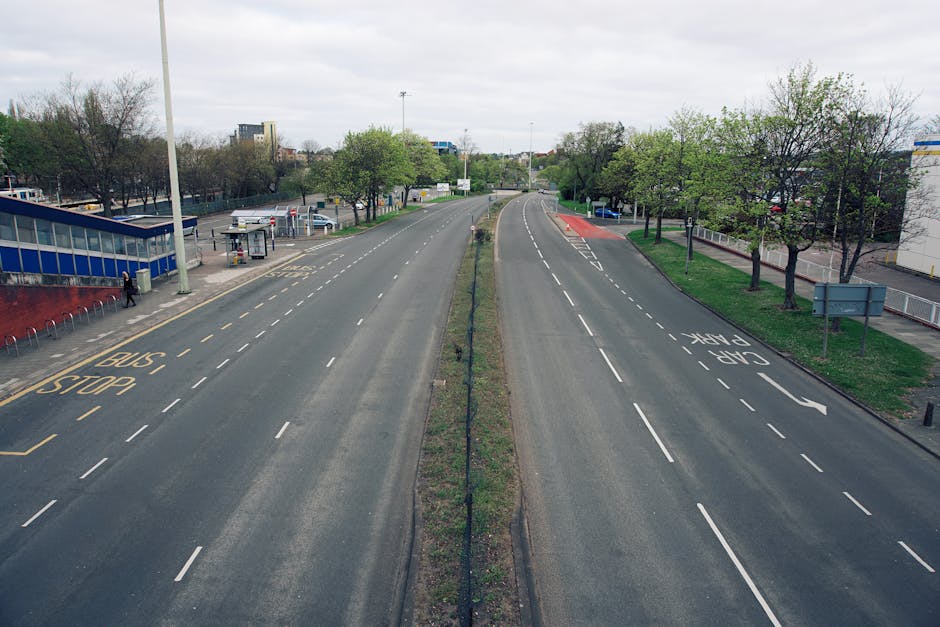
Harringay Green Lanes station sits in one of those areas where local movement patterns matter more than people expect. The roads around the station can be busy at commuter times, and parking spaces are often limited, especially where residential streets meet shops, cafes, and busier through-routes. If your removal van cannot stop close enough to the property, every extra metre turns into extra time, more carrying, and a bigger risk of knocks and fatigue.
That may sound minor until you are on hour three of a move with a wardrobe that does not quite fit through the landing. Then it suddenly feels very major.
Parking advice matters because removals are not just transport jobs. They are access jobs. The quality of the parking plan affects how safely items are loaded, how quickly a team can work, and how much disruption you cause to neighbours or other road users. It also helps you decide whether you need a smaller vehicle, a loading-only stop, an early start, or a different approach altogether.
For people moving into the area, the wider local context is also useful. Reading about living in Haringay from a local perspective or navigating the Haringey property market can help you understand which streets tend to be more practical for parking, access, and day-to-day life. Not every home is difficult, but some are definitely less forgiving on moving day.
How Harringay Green Lanes station removals and parking advice Works
The basic idea is simple: match the move to the street conditions, then build a parking plan around the property rather than treating parking as an afterthought. In practice, that means checking where a van can legally stop, how far the carrying distance will be, whether there are bays or double yellow lines nearby, and whether the building has a narrow entrance, basement access, or stairs that slow things down.
For smaller moves, a compact vehicle may be the best fit. For larger family homes or fuller office relocations, a larger van or a full removals team can reduce the number of trips and make access management easier. If you are unsure which route fits, it is worth comparing options such as man and van support and a dedicated removal van in Haringey N4.
Parking and loading also depend on timing. Early mornings can be calmer on some streets, while midday may give you a slightly better chance of finding a clear spot away from commuter pressure. But each move is different. A flat above a parade of shops is a very different story from a terraced house tucked one road back. Small detail, big effect.
A good local move plan usually looks at four things:
- the property layout and access route
- the type and size of vehicle needed
- the nearest sensible loading point
- the timing of the move against local traffic and parking pressure
If storage is part of the plan, perhaps because you are staging a sale or waiting for completion dates to align, then storage in Haringey N4 may also be useful. That can reduce the pressure to move everything in one go, which, let's face it, is a relief for a lot of households.
Key Benefits and Practical Advantages
Good station-area removals planning gives you more than convenience. It creates a calmer moving day. And calm, on moving day, is not a luxury. It is part of the job.
1. Faster loading and unloading
The shorter the carry, the quicker the move. That reduces time on site and can lower the chance of damage, especially when handling heavy items like sofas, beds, desks, or appliances.
2. Lower stress for everyone involved
Moving is noisy, awkward, and a bit relentless. If the parking plan is sorted, you remove one of the biggest sources of uncertainty. People can focus on the boxes rather than the van location.
3. Better protection for your belongings
Longer carrying distances increase the chance of bumps, drops, and strain. A well-placed van means items travel fewer steps between property and vehicle, which is particularly helpful for fragile or bulky pieces.
4. Better neighbour relations
On a dense residential street, nobody wants a van blocking a driveway or causing avoidable congestion. Careful parking and clear communication make the day more considerate. That matters more than people admit.
5. More accurate planning and pricing
When access is understood properly, quotes tend to be more realistic. If you want to see how move types are structured, have a look at the pricing information page before you book.
Expert summary: The best station-area removals are usually not the ones with the biggest van. They are the ones with the smartest access plan. A smaller vehicle in the right spot often beats a larger vehicle parked badly.
Who This Is For and When It Makes Sense
This guidance is for anyone moving near Harringay Green Lanes station who wants to avoid the usual headaches. That includes renters, first-time buyers, landlords arranging a tenant changeover, and small businesses shifting premises nearby. It also helps if you are moving a single room, a few bulky items, or a whole family home.
It is especially useful when:
- your street has limited parking or busy daytime traffic
- your building has a tight entrance, shared hallway, or upper-floor access
- you need to load close to the door because of heavy furniture
- you are trying to keep completion-day timing under control
- you want to reduce disruption for neighbours and passers-by
For office moves, the thinking is slightly different. Business equipment, filing, and desks need a plan that protects productivity and avoids stop-start delays. In that case, office removals in Haringey N4 can be a better fit than a simple one-off van hire.
And if your move is light but awkward, maybe just a few rooms or an oversized wardrobe, a smaller local service can be enough. That is where man with a van support in Haringey often makes sense. It is not fancy, but it gets the job done.
Step-by-Step Guidance
Here is a practical way to approach a move near the station without overcomplicating it.
- Assess access before you book. Look at the road width, parking pressure, doorway access, staircases, and whether there is any nearby loading space. If the property is on a busy stretch, assume parking will be the first challenge.
- Estimate your load honestly. Be realistic about what needs to move. Half-full cupboards have a habit of turning into entire extra boxes on the morning. We have all seen it.
- Choose the right vehicle size. A smaller van is easier to place on tight roads, but too small a vehicle can create more trips. Balance access against total volume.
- Plan the loading point. Identify the best legal place to stop. If the most convenient spot is likely to be occupied, create a backup plan.
- Schedule the move sensibly. Avoid times when the street is at its busiest if possible. Early starts can help, but only if everyone is ready.
- Prepare items in advance. Boxes sealed, furniture dismantled where needed, and fragile pieces protected. This sounds obvious, but moving day has a way of exposing what was forgotten.
- Keep essentials separate. Documents, keys, chargers, and a kettle if you are the kind of person who cannot function without tea. Honestly, fair enough.
- Walk the first and last five metres. Check for trip hazards, awkward thresholds, shared entrances, and low ceilings. This tiny habit prevents a surprising number of problems.
If you are still deciding between options, a broad removals service in Haringey can cover the full process, while a simpler, lighter job might only need a van and a pair of careful hands.
Expert Tips for Better Results
The best advice is usually practical, not glamorous. A few small choices can make the whole process easier.
- Measure large items before moving day. Doorways, stair turns, and hall corners often create more trouble than the van itself.
- Use colour-coded labels. It speeds up unloading and prevents that annoying "which box is the kettle in?" moment.
- Keep the route clear. Shoes, bikes, recycling bins, and prams can turn into stumbling blocks very quickly.
- Protect high-touch items first. Mirrors, tables, screens, and painted furniture deserve extra wrapping.
- Ask about vehicle positioning in advance. A driver who understands the street can often suggest the safest place to stop, even if it is not the most obvious one.
- Build in a buffer. A little extra time is often the difference between a decent move and a chaotic one.
One small but valuable tip: if the move includes a lot of loose items, compare packing support and supplies through packing and boxes in Haringey N4. Good packing is quiet insurance. You do not notice it much when everything goes right, but you really notice it when it does not.
Also, if you are unsure whether a full removals team is worth it, compare that with a more basic service and the practical differences become obvious. Sometimes the extra help is the whole point. Sometimes it is not. Depends on the day, the street, and how many staircases you have to wrestle with.
Common Mistakes to Avoid
Most moving-day issues near station areas come from assumptions. A few of the big ones are easy to avoid.
- Assuming parking will just work out. It often does not. Especially not near busy routes and commuter traffic.
- Choosing a vehicle that is too large for the street. Bigger is not always better if it cannot stop legally or safely.
- Leaving packing until the last moment. This usually leads to rushed boxing, poor labelling, and broken items.
- Forgetting about access restrictions. Shared entrances, lifts, and stairwells can slow things down more than the van ever will.
- Underestimating the value of a backup plan. A second parking option can save the day.
- Not telling neighbours or building management in advance. A quick heads-up can avoid awkwardness and, in some cases, real obstruction.
A slightly less obvious mistake is trying to optimise for cost alone. Cheapest is not always cheapest, if you end up paying for extra time, extra trips, or damaged items. That is why comparing removal companies in Haringey N4 can be sensible before committing.
Tools, Resources and Recommendations
You do not need a mountain of specialist equipment, but the right basics make a difference.
- Sturdy boxes and tape: essential for keeping items secure
- Furniture covers or blankets: useful for protecting wood, fabric, and painted surfaces
- Labels and marker pens: simple, but they save time later
- Measuring tape: especially helpful for larger furniture and tight hallways
- Gloves and a trolley: handy for safety and handling heavier items
- Access notes: a written list of parking, entrance, and flat details can prevent confusion on the day
For people who want a one-stop starting point, the general removal services page is a useful place to understand what can be included. If you only need a vehicle and a straightforward collection, the dedicated removal van option can be a better match than a full-service move.
Another useful local angle comes from understanding the area itself. Articles such as this look at the quieter streets of Haringey and the property investment guide can help you think beyond the move and into the practical realities of living there.
Law, Compliance, Standards, or Best Practice
When planning a move around Harringay Green Lanes station, the main compliance issue is parking and loading. Exact rules depend on the street, the bay markings, any local restrictions, and the time of day. Because of that, the safest approach is to check the on-street signs carefully and avoid assuming that a space is suitable just because it is empty.
Best practice usually means:
- stopping only where parking or loading is permitted
- keeping access routes clear for pedestrians, bins, and emergency use
- avoiding double parking or blocking driveways
- using sensible lifting methods and appropriate equipment
- protecting building entrances, floors, and walls where possible
For removals involving business premises, there may also be building rules, concierge arrangements, or shared loading requirements. These are not always formal legal obligations, but they do matter in practice. If a block manager needs advance notice, give it. If a street is narrow, plan around that. If access seems uncertain, assume it will need a workaround.
There is also a basic safety standard to remember: the route from vehicle to property should be as clear as reasonably possible. Wet leaves, uneven paving, poor lighting, and loose steps can all create avoidable hazards, especially in darker winter months when the day ends earlier than you want it to. A careful move is a safer move.
Options, Methods, or Comparison Table
Different moving methods suit different jobs. The best choice depends on volume, access, and how much help you want on the day.
| Option | Best for | Parking and access impact | Typical fit |
|---|---|---|---|
| Man with a van | Small to medium moves, a few rooms, bulky items | Usually easier to park and position on busy streets | Quick, flexible moves with lighter planning |
| Man and van | Students, flat moves, partial house clearances | Good when access is tight and carrying distances are short | Practical and cost-conscious |
| Full removals team | Larger homes, family moves, complex access | Best when you need organised loading, lifting, and coordination | Higher support, less hands-on stress |
| Dedicated removal van | Single vehicle transport with some flexibility | Useful when you already have help on site or a simple load | Balanced option for straightforward jobs |
There is no universal winner here. A full removals team is not overkill if you have a difficult staircase and several large items. Likewise, a smaller van is often the smarter choice for a compact flat near the station where parking is tight and turning space is limited. You know your property better than anyone, so use that knowledge.
Case Study or Real-World Example
Picture a couple moving from a first-floor flat near Green Lanes with a sofa, a bed frame, several boxes, and a dining table that was, quite frankly, more awkward than it looked. The street is busy in the late morning, and parking directly outside is uncertain. Instead of hoping for the best, they planned the loading window for earlier in the day, removed the bed in advance, and identified a backup stopping point one road over.
The result was not magical. It was simply organised.
The van parked with enough room to load safely, the carrying distance stayed manageable, and the move finished without the usual back-and-forth panic. They also avoided one of the common local headaches: holding up traffic while trying to reverse into a space that was never really suitable in the first place. A tiny bit of planning made the day feel less like a firefight and more like a proper, manageable job.
In another situation, a small business relocating a few desks and boxes from a nearby office chose a service from the broader range of Haringey removals rather than using a vehicle-only approach. The extra help paid off because the office building had limited loading options and narrow internal access. That sort of decision is rarely exciting, but it often saves time and a fair bit of frustration.
Practical Checklist
Use this before moving day. It will spare you at least one awkward moment, probably more.
- Confirm the moving date and arrival time
- Check parking restrictions near the property
- Identify the closest legal loading area
- Measure large furniture and awkward items
- Book the right van size or removals team
- Tell neighbours or building management if needed
- Pack fragile items securely and label boxes clearly
- Disassemble furniture where it makes sense
- Keep keys, documents, and essentials separate
- Prepare a backup parking or access plan
- Clear hallways, entrances, and stairwells
- Review whether storage is needed for any items
If you are still comparing service levels, the moving checklist becomes easier to manage once you know whether you need a smaller helper, a full team, or temporary storage. In the real world, those decisions are connected. They just are.
Conclusion
Moving near Harringay Green Lanes station is perfectly manageable when you treat parking and access as part of the removal plan, not a last-minute detail. The streets have their own rhythm, and the smoother your approach, the less that rhythm gets in the way. Choose the right vehicle, think through the loading point, pack properly, and leave yourself a small margin for the unexpected.
That extra bit of planning pays off in fewer delays, less lifting stress, and a day that feels under control rather than reactive. Whether you are moving a flat, a family home, or a small office, the same principle holds true: good parking advice makes removals simpler, safer, and far less exhausting.
If you are preparing a move in the area, it is worth reviewing your options early so you can match the service to the street, the property, and the amount of help you need.
Get a free quote today and see how much you can save.
Frequently Asked Questions
What is the best way to plan removals near Harringay Green Lanes station?
Start with access and parking. Check where a van can stop legally, how far the carry will be, and whether the property has stairs, shared entrances, or tight turns. Once that is clear, choose the right vehicle and timing.
Do I need a large van for a move near the station?
Not always. A large van can be useful for bigger homes, but on narrow streets a smaller vehicle may be easier to park and load. The right size depends on both volume and access.
How early should I arrange parking advice for a removal day?
As early as possible. Ideally, you should think about it while booking the move, not the day before. The earlier you assess the street, the more options you will have if parking looks tight.
What if the nearest parking space is already taken on the day?
Have a backup option ready. That might mean a nearby loading point, a slightly earlier arrival, or a smaller vehicle that can fit in a different spot. A backup plan is a simple but powerful thing.
Can a man with a van be enough for a flat move near Green Lanes?
Yes, for many smaller flat moves it can be ideal. If the load is moderate and access is straightforward, a man with a van is often flexible and efficient. If the move is larger or the access is awkward, you may want more support.
How do parking restrictions affect removals in Haringey N4?
They can affect where the vehicle stops, how long it can stay, and whether loading is possible at certain times. Always check the signs on the street rather than assuming a space is suitable.
Is storage useful if my move date is uncertain?
Yes. Storage can reduce pressure if completion dates change, if you are between homes, or if you do not want to move everything in one day. It is especially useful when timing is not fully under your control.
What should I pack separately for moving day?
Keep keys, documents, chargers, medications, and a few essentials separate. It is also wise to set aside tea, snacks, and cleaning supplies. Those things have a funny way of becoming urgent quickly.
How do I avoid damaging furniture during a short carry from van to house?
Wrap surfaces properly, clear the route, and make sure the carrying path is wide enough before lifting. Short carries can still lead to scrapes if corners, steps, or door frames are tight.
Should I choose a full removals team or a simpler vehicle-only service?
Choose based on complexity. If you have bulky furniture, awkward access, or a full house to move, a full removals team usually makes life easier. If the load is smaller and access is straightforward, a simpler service may be enough.
Can office moves near the station be handled outside business hours?
Often, yes, depending on the service and building access rules. Off-peak or after-hours moves can help reduce disruption, but they still need careful planning for parking, entry, and loading.
What is the biggest mistake people make with station-area removals?
Assuming parking will sort itself out. It rarely does. Access planning is one of the easiest parts of a move to overlook, and one of the most costly to ignore.