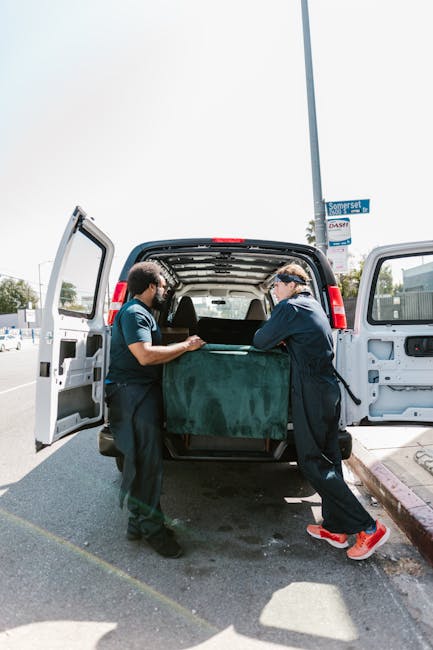
Duckett Road flat removals Harringay no lift solutions
Moving out of a flat on Duckett Road can feel straightforward right up until you look at the stairs. No lift, narrow landings, awkward corners, parking pressure, and a sofa that looked smaller in the old place. That is the real test. Duckett Road flat removals Harringay no lift solutions are about handling those everyday obstacles in a calm, organised way so your move stays safe, efficient, and far less stressful than it first sounds.
If you are planning a flat move in Harringay, especially in a property with no lift, the details matter. The right approach can protect your furniture, save time, and reduce the chance of last-minute panic. In this guide, we will walk through what these removals involve, how the process works, what to watch out for, and how to make sensible choices before moving day arrives. A good move is rarely flashy. It is mostly preparation, timing, and a bit of patience, really.
Table of Contents
- Why Duckett Road flat removals Harringay no lift solutions Matters
- How Duckett Road flat removals Harringay no lift solutions Works
- Key Benefits and Practical Advantages
- Who This Is For and When It Makes Sense
- Step-by-Step Guidance
- Expert Tips for Better Results
- Common Mistakes to Avoid
- Tools, Resources and Recommendations
- Law, Compliance, Standards, or Best Practice
- Options, Methods, or Comparison Table
- Case Study or Real-World Example
- Practical Checklist
- Conclusion
- Frequently Asked Questions
Why Duckett Road flat removals Harringay no lift solutions Matters
Flat removals on Duckett Road are not just smaller house moves with fewer boxes. The access can change everything. Stairs slow the process, increase handling risks, and make bulky items far more awkward to carry. If there is no lift, every item has to be planned for the route it will travel: from the bedroom, through the hallway, down the stairs, and out to the vehicle. That sounds obvious until you are standing there with a double mattress and nowhere sensible to turn it.
This matters because a poorly managed move can lead to damaged walls, scuffed bannisters, strained backs, and a day that drags on far longer than expected. It can also create problems for neighbours if hallways are blocked or loading is badly timed. In a busy residential street, courtesy and efficiency go hand in hand. You want the move completed without turning the stairwell into a traffic jam.
There is also a financial side. When access is difficult, time becomes more valuable. If movers need extra handling time, extra team members, or specialist carrying methods, the quote may reflect that. That is not a bad thing. It is simply better to understand the access challenge early rather than pretending the job will be easy and then paying for the surprise later.
Expert summary: no-lift flat removals work best when access is assessed properly, bulky items are prioritised, and the moving plan is built around the building rather than forced against it.
How Duckett Road flat removals Harringay no lift solutions Works
The process usually starts with an access review. For a flat move on Duckett Road, that means understanding stair width, floor level, doorway sizes, parking access, and whether larger furniture can be moved safely without dismantling. A mover who knows what they are doing will ask questions before the day itself: How many floors? Any tight turns? Any parking restrictions? Any awkward items? All of that shapes the plan.
From there, the removal team usually builds a loading sequence. The heavier, more awkward, or most fragile items are often handled first or packed in a way that reduces stop-start movement. Think about the rhythm of the day. Boxes, small furniture, and soft items can move quickly. Wardrobes, bed frames, mirrors, and white goods need more care. If the sequence is right, the job feels smoother almost immediately.
For a no-lift property, stair protection may also be used. This can include careful lifting technique, protective wraps, and sensible route planning so the narrowest parts of the building are treated with extra attention. You may notice movers pausing before a turn or repositioning a sofa rather than forcing it through. That is usually a good sign. Forcing the issue is where damage happens.
Good no-lift solutions also depend on communication. The removals team, the resident, and anyone helping with the move should know what is going first, what has been dismantled, and which items need extra hands. A lot of stress disappears when nobody is guessing.
Key Benefits and Practical Advantages
There are real advantages to using a removals approach that is designed for flats without lifts. Some are obvious, some less so.
- Less strain and injury risk: Repeated stair carrying is hard work. A proper plan helps reduce the physical burden on everyone involved.
- Lower chance of damage: Furniture is less likely to clip walls, snag railings, or twist in a tight stairwell when it is handled properly.
- Better timing: A moving day built around access issues tends to stay more predictable.
- Less neighbour disruption: Efficient loading reduces time in shared entrances and hallways.
- More control over awkward items: Sofas, wardrobes, mattresses, and appliances can be managed more carefully.
- Reduced stress: Truth be told, knowing the route has been thought through can make the whole day feel much calmer.
There is another benefit that often gets overlooked: better packing discipline. When you know the move involves stairs, you naturally start thinking more carefully about box weights, item sizes, and what should be dismantled in advance. That alone can prevent a lot of pain later. Nobody enjoys lugging a box of books up three flights because it looked manageable at the time. It rarely is.
Who This Is For and When It Makes Sense
This kind of service makes sense for a wide range of people living in Duckett Road and the wider Harringay area. It is especially useful if your property has narrow internal stairs, limited landing space, or no passenger lift at all.
Typical situations include:
- Tenants moving out of a top-floor flat
- First-time buyers relocating into a period conversion
- Couples downsizing from a walk-up apartment
- Room-by-room moves where heavy items need careful stair carrying
- Moves involving large furniture that may need dismantling before transport
It is also sensible for anyone who has a tight schedule. If you need to hand keys back by a certain time, or you are fitting your move around work, school runs, or a chain deadline, then you will want a team that understands no-lift access from the start.
There is a practical point here too. Some people assume they can manage a flat move with a van and a couple of friends. Sometimes that works. Sometimes it becomes one of those stories you laugh about later, once the bruises have faded. If your furniture is bulky, your stairwell is awkward, or you have valuable items, professional planning is usually the safer call.
Step-by-Step Guidance
If you want a smooth move, work through the process in order rather than improvising on the day. Here is a practical sequence that tends to work well.
- Survey the access carefully. Measure key furniture and note stair turns, low ceilings, narrow door frames, and any restrictions on parking or loading.
- Decide what can be dismantled. Bed frames, tables, and some wardrobes are much easier to move in parts. Keep screws and fittings in labelled bags.
- Pack by weight, not by room alone. Heavy items should go into smaller boxes. It is a small thing, but your shoulders will thank you.
- Protect fragile items. Use padding, wraps, and well-closed boxes. Mirrors, glass, and screens need particular care.
- Clear the stair route. Shoes, mats, plants, and loose items should be out of the way before moving starts.
- Confirm timings. Staggered access can matter in residential streets. If parking is tight, the vehicle should arrive at the best possible loading time.
- Walk the route with the movers. Before lifting begins, point out any awkward corners, chipped walls, or delicate spots.
- Keep essentials separate. Documents, chargers, medication, valuables, and a change of clothes should stay easy to reach.
A small but useful habit: set one box aside for the first night. Kettle, tea, toiletries, phone cable, a few tools, and a roll of bin bags. You will almost certainly need it. Moving day has a habit of finishing when you are too tired to think clearly.
Expert Tips for Better Results
After enough flat moves, a few patterns become very clear. The people who have the easiest experience usually do the quiet, practical things well.
Tip 1: Measure bigger items before the move, not during it. Many removals headaches start with a sofa that looked fine in the lounge but hates stair corners. If a piece is borderline, check it early and consider dismantling.
Tip 2: Do not overpack boxes. Heavy boxes are awkward on stairs and can be dangerous. Books and kitchenware should be split up sensibly. A box that feels "fine for five seconds" is often a nuisance for fifteen steps.
Tip 3: Keep communal areas tidy. In a no-lift building, the staircase is everyone's route. Be considerate. It helps relationships with neighbours and keeps the day moving without friction.
Tip 4: Photograph the property before loading starts. Not as a dramatic gesture. Just sensible. If there is existing damage or a tricky corner, a quick visual record can help everyone stay clear on what was already there.
Tip 5: Ask about insurance and handling standards. For peace of mind, it is worth checking how the company approaches care and safety. You can also review the firm's insurance and safety information and health and safety policy before moving day.
And yes, sometimes the best tip is the dullest one: start earlier than you think. At 7:30 in the morning, the street is often calmer, your energy is better, and you have fewer chances to rush. Simple. But it works.
Common Mistakes to Avoid
No-lift moves expose small mistakes very quickly. One wrong assumption, and suddenly everyone is waiting in the hallway while a wardrobe gets turned sideways for the third time.
- Ignoring stair geometry: Not every item can be carried upright. Corner turns and ceiling height matter.
- Using oversized boxes: Large boxes look efficient, but they become awkward and unstable on stairs.
- Leaving dismantling until move day: This always slows things down. Always.
- Forgetting parking logistics: If the van cannot stop close enough, time and effort are wasted carrying items further than expected.
- Not checking building rules: Some blocks have access rules, time restrictions, or expectations around shared spaces.
- Failing to separate essentials: You do not want to search through eight boxes for a phone charger when you are exhausted.
Another mistake is trying to move everything yourself because the flat seems "not that full". Flats often hide their volume well. It is a bit like opening the cupboards right before Christmas and realising there is more stuff than you remembered. Strange how that happens.
Tools, Resources and Recommendations
You do not need a van full of specialist gear to make a no-lift flat move work, but a few practical tools make a big difference. Good movers typically bring removal blankets, straps, trolleys where suitable, floor protection, and wrapping materials for delicate items. Even if you are using a removals team, it helps to know what should be available.
For your side of the move, these items are especially useful:
- Strong cardboard boxes in mixed sizes
- Label stickers or a marker pen
- Bubble wrap or paper for fragile belongings
- Allen keys and screwdrivers for dismantling furniture
- Rubbish bags for soft items and last-minute clear-outs
- Gloves with a good grip
- Cleaning cloths for the final sweep of the flat
For planning and confidence, it can also help to review the company's pricing and quotes guidance, especially if your access is more complex than average. You may also want to look at about us to understand how the business presents its service approach and standards.
If you care about how your unwanted items are handled, it is reasonable to ask about disposal and recycling too. A responsible move should not create a careless pile of broken packaging and discarded furniture. That is where recycling and sustainability information becomes genuinely useful.
Law, Compliance, Standards, or Best Practice
For removals, the legal and compliance side is less about dramatic rules and more about doing ordinary things properly. That means safe lifting, sensible access management, appropriate insurance cover, clear terms, and respect for people's homes and shared spaces. In the UK, movers are expected to handle belongings with reasonable care and to work safely. That sounds basic, but in a stair-heavy flat move, basic is everything.
From a best-practice perspective, a good mover should be able to explain how they manage risk, protect property, and deal with customer concerns. If you are comparing providers, it is sensible to check their terms and conditions, their approach to payment and security, and any relevant complaint route such as the complaints procedure.
Accessibility matters too. Not every customer has the same physical ability or mobility. If you need extra support, or if the building access creates an additional barrier, a clear and respectful conversation up front is the right place to start. A useful company should be able to point you to its accessibility statement and explain how it aims to support different needs.
One thing worth saying plainly: if a move feels unsafe, slow down. Do not muscle through a difficult carry just to save a few minutes. A dropped item or a twisted back is a much bigger problem than a slightly later finish.
Options, Methods, or Comparison Table
There are a few ways to handle a Duckett Road flat move with no lift access. The best one depends on your furniture, your timeline, and how much lifting you realistically want to do yourself.
| Method | Best for | Strengths | Trade-offs |
|---|---|---|---|
| DIY move with friends | Small flats, light furniture, flexible timing | Lower direct cost, familiar help | Higher physical strain, more risk of damage, slower on stairs |
| Partial professional help | Mixed moves where some items are manageable | Good balance of cost and support | Still requires your own packing and coordination |
| Full removals service | Top-floor flats, bulky items, time-sensitive moves | Most efficient and least stressful | Usually costs more than doing it yourself |
| Dismantle-and-move approach | Large furniture, narrow stairwells, awkward turns | Makes difficult items manageable | Requires preparation and reassembly planning |
In practice, many people mix methods. For example, they may pack everything themselves, have movers handle the heavy furniture, and then spend the first evening reassembling beds and sorting the kitchen. That can be a sensible compromise if you want support where it counts most.
Case Study or Real-World Example
Here is a realistic example from the kind of move people often face in Harringay. A couple living in a top-floor flat on Duckett Road had a bed frame, a sofa, a dining table, and about forty boxes. No lift. The hallway had a tight corner halfway down, and the sofa looked manageable until it reached the turn. That is where experience matters.
The first step was to dismantle the bed and table before moving day. The boxes were sorted so heavier items were kept smaller. The sofa was wrapped and measured against the stairwell route, then carried with extra care on the tight corner. The team loaded the van in a clear sequence: fragile boxes first, heavier items next, soft furnishings after that. It was not magic. Just preparation.
What made the difference was that nothing was left to guesswork. The residents knew what would be dismantled, where the access pinch points were, and which items needed a slower carry. The move still took effort, of course. Moves always do. But it stayed controlled, and that is the real win.
Small detail, but important: by the time the last box left the flat, the landing was still tidy and the neighbours had barely noticed. That is usually a good sign you have done it properly.
Practical Checklist
Use this checklist in the days before your move. It keeps the job grounded.
- Confirm the floor level and stair access
- Measure large furniture and check tight corners
- Dismantle beds, tables, or wardrobes where needed
- Keep screws, bolts, and fittings in labelled bags
- Pack heavy items into smaller boxes
- Label every box by room and priority
- Set aside a first-night essentials bag
- Clear hallways, landings, and the stair route
- Arrange parking and loading access in advance
- Review pricing, insurance, and terms before confirming
- Share any access issues with the movers early
- Keep fragile and valuable items separate
If you want to avoid unnecessary stress, do the boring steps first. The glamorous parts of moving are rare. The calm parts are what save the day.
Get a free quote today and see how much you can save.
Conclusion
Duckett Road flat removals Harringay no lift solutions are really about making a difficult access situation feel manageable. With the right planning, a stair-heavy move does not need to become a disaster story. It can be organised, safe, and surprisingly smooth. The key is to respect the building, measure the awkward items, and plan the day around reality rather than hope.
If you are still comparing options, focus on clarity. Ask how access will be handled, what preparation is expected from you, and how the team manages safety, pricing, and communication. Those details tell you far more than a vague promise ever will. And once the last box is down, the kettle is on, and the flat is quiet again, you will be glad you took the careful route.
Frequently Asked Questions
What does no-lift flat removals mean?
It means the move is carried out in a property without a lift, so furniture and boxes have to be moved via stairs. That usually requires more planning, more care, and a better loading strategy than an easy-access move.
How do removals teams handle a top-floor flat on Duckett Road?
They usually assess the staircase, measure larger items, plan the loading order, and bring the right handling equipment and packing materials. In some cases, items are dismantled to make them easier to carry.
Is it cheaper to move from a flat with no lift?
Not always. A no-lift move can take more time and effort, so the price may reflect the extra handling involved. The final cost depends on the volume of items, access conditions, and the service level you choose.
Should I dismantle furniture before the move?
Usually, yes, if it is safe and practical to do so. Beds, tables, and some wardrobes are much easier to move in parts. Just keep fixings together and label them clearly.
What items are hardest to move up and down stairs?
Large sofas, mattresses, wardrobes, appliances, glass items, and awkwardly shaped furniture are often the most difficult. Narrow corners and tight landings can make even moderately sized items tricky.
How far in advance should I book a flat removal?
As early as possible if your move date is fixed, especially during busy periods. Early booking gives you more time to plan access, packing, and any dismantling that may be needed.
Can I do a no-lift flat move myself?
You can, if the move is small and the furniture is light enough. But if you have heavy items, narrow stairs, or a deadline, professional help is often safer and less stressful.
What should I tell the removals company before moving day?
Tell them the floor level, staircase layout, parking situation, any tight corners, and the size of your largest furniture. The more accurate the detail, the better the plan.
What if my building has awkward access or shared hallways?
That is exactly the kind of thing to flag early. Shared areas need care, and awkward access can affect timings. A good removals plan will account for that rather than leaving it to chance.
How do I make the move less stressful overall?
Pack early, label boxes clearly, separate essentials, dismantle what you can, and keep the route clear. Small actions add up. Honestly, they matter more than people think.
What should I check in the company's documents before I book?
Look at the pricing details, insurance information, payment terms, and complaint process. Those pages help you understand what to expect and how the company handles practical issues.
What is the best time of day for a flat move in a busy street?
Earlier in the day is often easier because access is calmer, parking can be more manageable, and everyone has more energy. That said, the best time also depends on your building rules and any access windows you have.
What happens if something gets damaged during the move?
That depends on the company's procedures and the circumstances of the damage. It is wise to know the insurer and complaint route in advance so you are not trying to figure it out after a long day on the stairs.
If you are planning a move on Duckett Road and want a calmer, more organised experience, take the time to prepare properly and choose the support level that fits your flat, your furniture, and your nerves. A careful move is a better move. Simple as that.